
Research Projects
The research focus of the Department of Southeast Asian Studies is on human-environment relations, political ecology and sustainability; gender and intersectionality; globalization; development and transformation processes; workers' movements and migration; civil society organization; urbanity and transdisciplinarity.

Publications
Here you will find an overview of the publications and working papers of the Department of Southeast Asian Studies.
DFG Emmy Noether: Local labor struggles in global value chains
The DFG Emmy Noether Junior Research Group, led by Dr. Caroline Hambloch, investigates how smallholders and workers in the Global South navigate their often unequal integration into agricultural global value chains (GVCs). Focusing on the Philippines, Colombia, and Malawi, the project examines how different forms of value creation and capture influence smallholder and labor control, agency, and opportunities for more equitable outcomes. Combining labor regime analysis, labor agency, and agrarian political economy, the project examines the dynamic interplay between firm control and the agency of smallholders and workers across different contexts and scales. Adopting an emancipatory lens, it centers on how subordinate GVC actors formally and informally contest and reshape power relations within GVCs. The project also analyzes key mediating factors, such as land control and access, modes of coordination, and standards and certification to identify pathways toward empowerment in agricultural GVCs.

Working Group Plural Sustainabilities
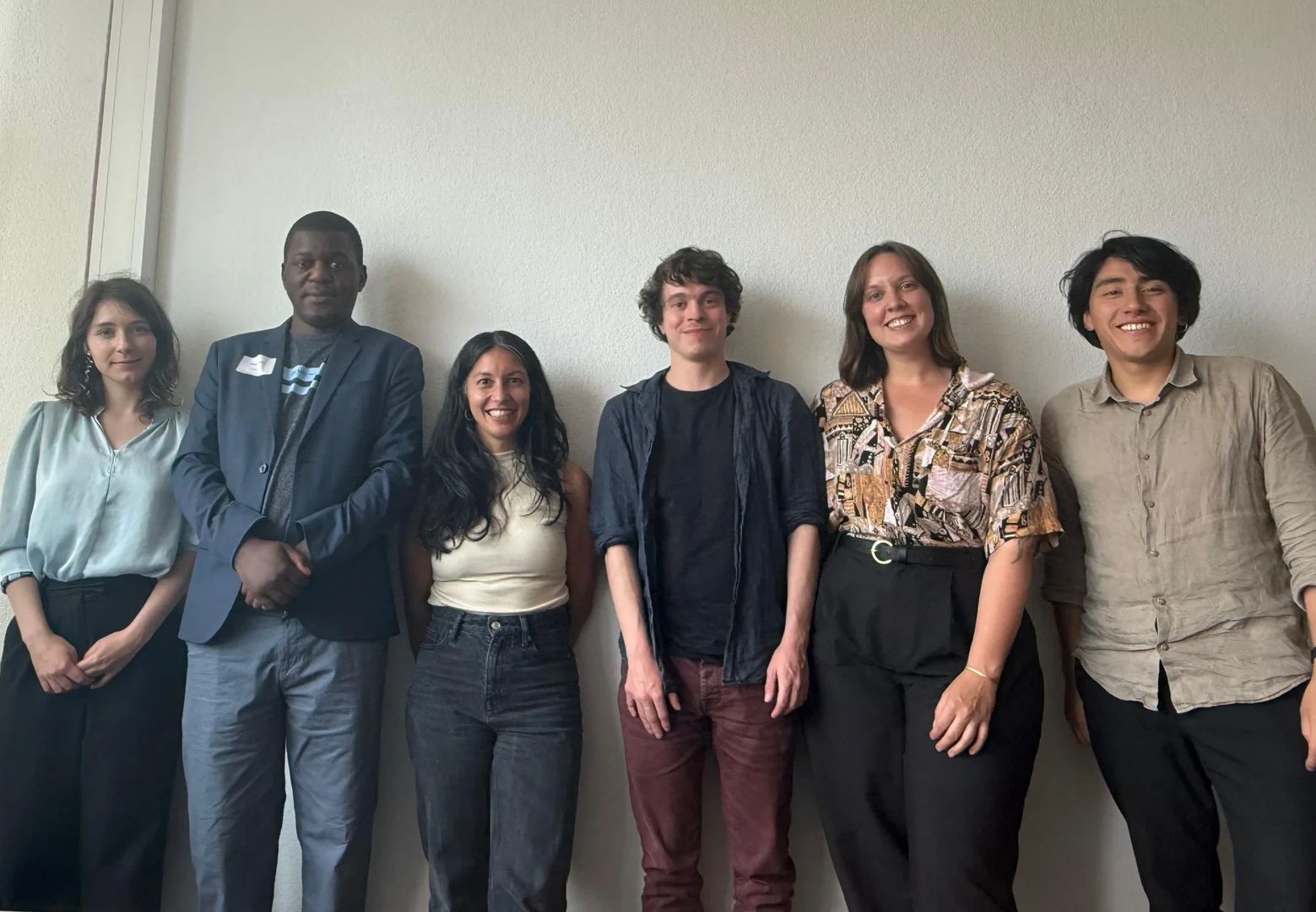
The working group Plural Sustainabilities brings together scientists from various disciplines, institutions and countries who work in the field of sustainability and sustainable development (in the broadest sense). The aim of the working group is to provide a space for thought and reflection on the diversity of practices, approaches, concepts and understandings, strategies and initiatives in the field of what we call "sustainability".
c/oEnvironments Conflictive human-environmental relationships, indigeneity and sustainability in Aceh and Kalimantan, Indonesia
Prof. Dr. Kristina Großmann is leading the DFG-funded research project on conflictive human-environmental relationships, indigeneity and sustainability in Aceh and Kalimantan, which will run from 2024 until 2027.
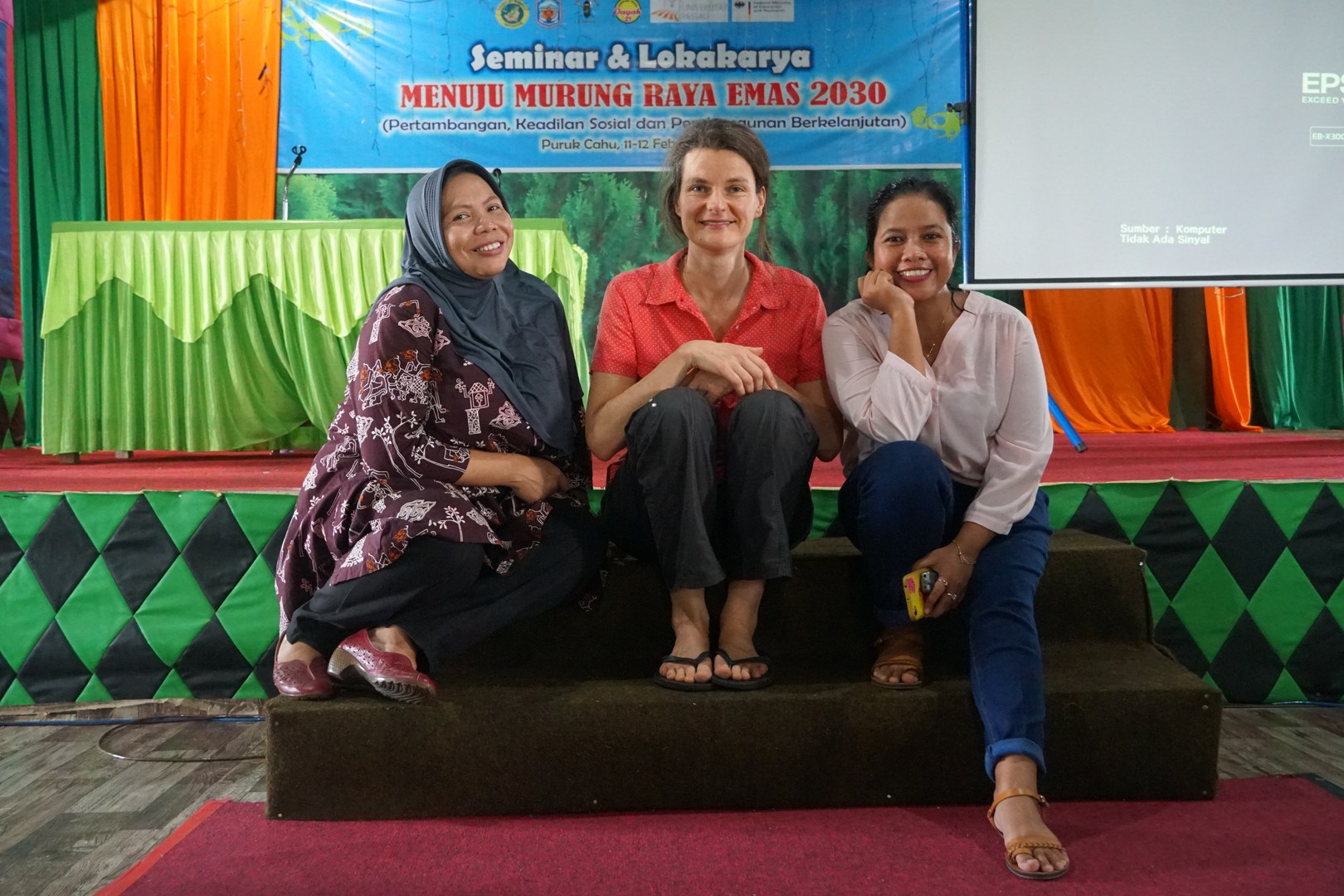
In the course of current environmental changes in Indonesia, conflicts over the control of land, forest and mining products are increasing. Thereby, not only power and the access to natural resources are vibrantly negotiated but also different conceptualizations and meanings of the ‘environment’ collide. c/oEnvironments analyses conflicting human-environmental relations and contested practices of sustainability within the nexus of mining, indigenous land management programs and climate protection initiatives in the Indonesian provinces of Aceh and Central Kalimantan. The project leader and two research assistants are investigating which lines of conflict emerge within diverse human-environmental relationships and how these discrepancies can be bridged. Through the multilocal research approach of comparing the two Indonesian provinces, the project contributes to the systematic analysis of diverse human-environmental relationships.
Recalibrating Zoonoses. Human-wildlife relations and participative mitigation strategies in Southeast Asia (WildZoonSEA)
Prof. Dr. Kristina Großmann leads the research project on human-wildlife relations and participative mitigation strategies in Southeast Asia, funded by the Bonn Global Cooperation Fund, which runs from 2023 until 2024.
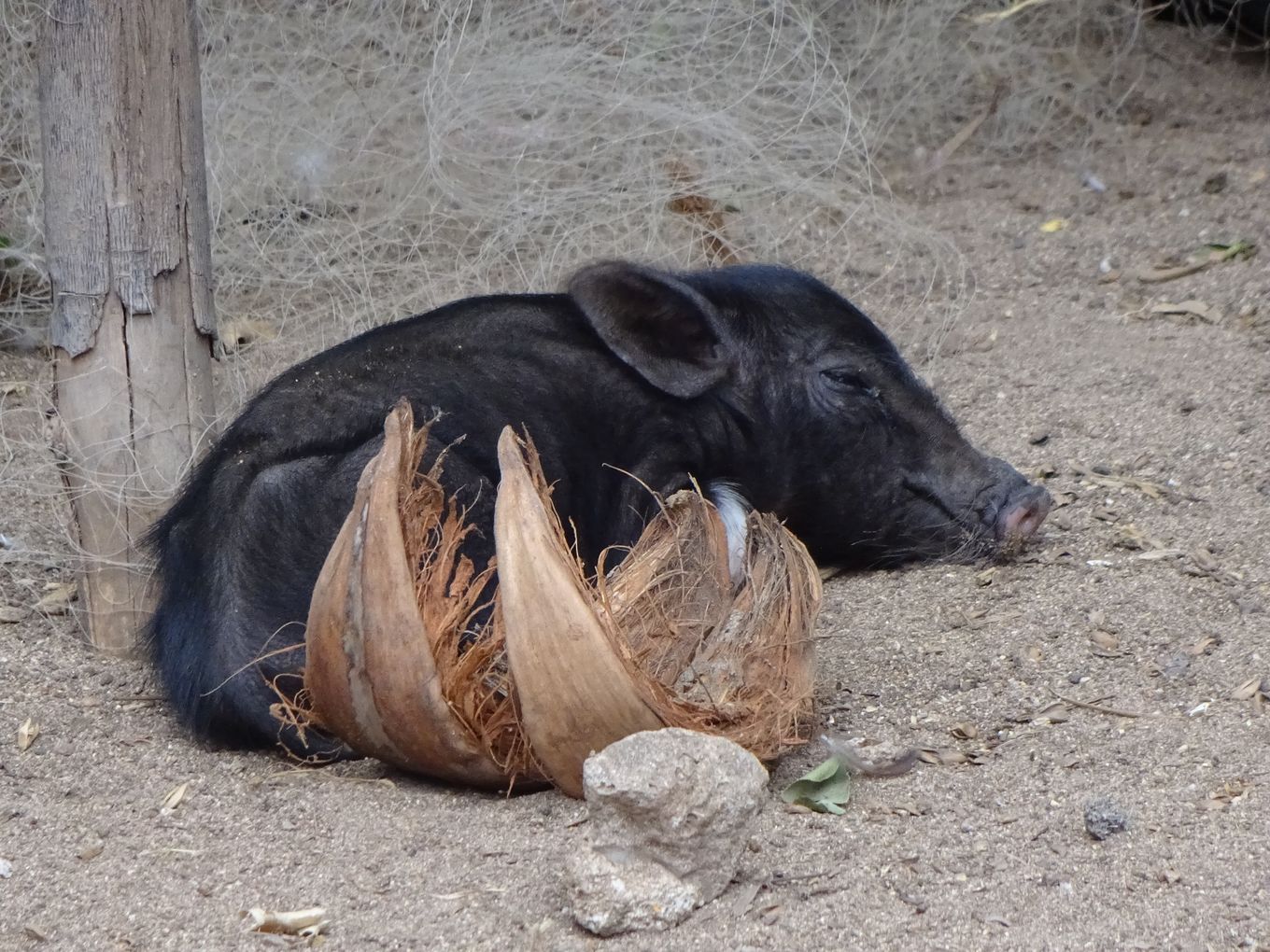
SARS-CoV-2 was the latest of several zoonoses – infections transmitted between humans and animals – that have emerged in the recent decades. Southeast Asia bears a high potential for zoonotic transmissions in the future. However, the region is extremely understudied in this regard. Additionally, research on zoonoses and wildlife is predominantly found in the field of natural sciences and life science. Thus, there is an immense lack of research on the social and cultural dimensions of zoonotic infections. Against this backdrop, WildZoonSEA will elaborate on the understanding and mitigation of zoonoses with an anthropology and area studies background focusing on Southeast Asia.
Atheism in Southeast Asia: Ways of life of non-believers in religiously characterized plural societies
Regional science and social science studies on Southeast Asia often deal with religious phenomena, so that this region, especially in insular Southeast Asia, almost always appears as a religious region in academic representations. The significant position of religion within these societies is undoubtedly important, but this often obscures the fact that people in these societies increasingly see themselves as non-religious and sometimes even atheist. In recent years in particular, atheist groups have organized themselves in social media. Increasing religiosity is also accompanied by a growing number of atheists, who have so far received little attention in research. The research project Atheism in Southeast Asia is led by PD Dr. Timo Duile and funded by the DFG for the period between 2022 and 2025.
The aim of the research project is to describe atheistic ways of life in the plural, religious societies of Southeast Asia and to analyze them from a regional scientific, comparative perspective. Indonesia, Malaysia and the Philippines are all examples of plural societies in which different religions live under one political unit, even if the specific religious-historical contexts are different. However, all of these states and societies are characterized by religion. While there is a formal separation between religion and state in the Philippines and influence is exerted primarily through lobby groups and politicians, in Malaysia and Indonesia politics and religion are more institutionally intertwined. All three societies can be considered highly religious and are often hostile to atheism.
The research project examines how atheists in these societies deal with social and political pressure, develop coping strategies and constitute non-religious social spaces. The aim is to work out how atheism as a way of life, as a fundamental feeling of being-in-the-world, is expressed in different atheist ways of life. Although atheism conveys a fundamental relationship to the world, this can be socially realized in a variety of ways, depending on concrete life-world experiences based on social class, habitus, educational background, ethical or political convictions, etc.
The project will first analyze and compare discourses on atheism and the state's treatment of the non-religious, e.g. in laws, with a focus on the religious-historical contexts and the positions of the respective majority religions. Various atheistic ways of life are then worked out using ethnographic methods. These ways of life will also be compared across countries. Finally, the question of whether specific patterns of atheistic life and specific local/regional concepts of atheism can be found in the pluralistic, religiously characterized societies in Southeast Asia will be investigated.

Global transformation and socio-ecological reproduction: perspectives of labor geography (in German-speaking countries)
PD Dr. Oliver Pye and Dr. Michaela Doutch are part of the network, which is institutionally docked to the Department of Southeast Asian Studies and aims to establish Labour Geography as an independent field of research in German-speaking geography. Labour Geography places the spatially relevant actions of working people and workers' movements at the center of the analysis of geographical development processes. In the English-speaking world, it has become a recognized sub-discipline of geography, which has been expanded in recent years to include perspectives that increasingly focus on everyday actions, informal work, social reproduction, new forms of organization and actors from the Global South.
The network aims to bring together German-speaking academics who research and publish with and on Labour Geography. The aim is to achieve synergy effects that contribute to the establishment of the sub-discipline in the German-speaking academic world and to the further development of international labor geography. To this end, the network aims to work on and update two overarching, current topics - global transformation processes and socio-ecological reproduction. In the thematic strand “Global Transformation Processes”, we want to deal with the latest research (also by network members), which asks how workers and their organizations react to the transnationalization and digitalization of production processes and at the same time help to shape them geographically. Theoretically, this combines a subject-focused perspective with new debates on the structures and causes of global inequality. In the thematic strand “Social-Ecological Reproduction”, ongoing work by network members on social reproduction work and the embedding of work in social natural relations is discussed and further developed. The discussion will be linked to more recent debates on the social significance of work. The network aims to bring together German-speaking academics who research and publish with and on Labour Geography. The aim is to achieve synergy effects that contribute to the establishment of the sub-discipline in the German-speaking academic world and to the further development of international labor geography. To this end, the network aims to work on and update two overarching, current topics - global transformation processes and socio-ecological reproduction. In the thematic strand “Global Transformation Processes”, we want to deal with the latest research (also by network members), which asks how workers and their organizations react to the transnationalization and digitalization of production processes and at the same time help to shape them geographically. Theoretically, this combines a subject-focused perspective with new debates on the structures and causes of global inequality. In the thematic strand “Social-Ecological Reproduction”, ongoing work by network members on social reproduction work and the embedding of work in social natural relations is discussed and further developed. The discussion will be linked to more recent debates on the social significance of work.
Firstly, a (global-local) labor geography of the Covid-19 pandemic will be developed as a cross-cutting topic for the two thematic strands and, secondly, methodological issues of labor geography will be discussed. The network will work together over a period of three years in six intensive, three-day working meetings with a focus on results. The focus will be on joint publications: a German-language “Handbook of Labor Geography”, a special issue on “New Perspectives in Labor Geography” in a German-language geographical journal, as well as other topic-specific articles in German-language and international academic journals. The preparation of these publications is supported by an intensive exchange with renowned international representatives of labor geography. The network also explicitly aims to promote young researchers and offer opportunities for further development. At the end of the project, the collaboration is to be consolidated through joint research projects, among other things.